Paw
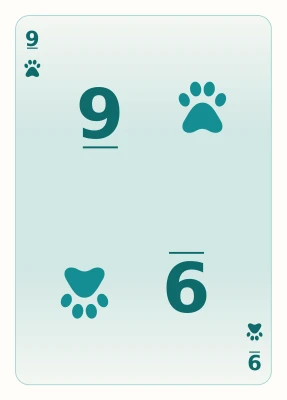
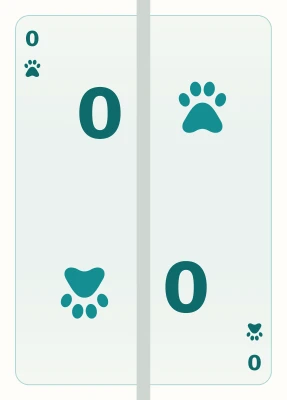
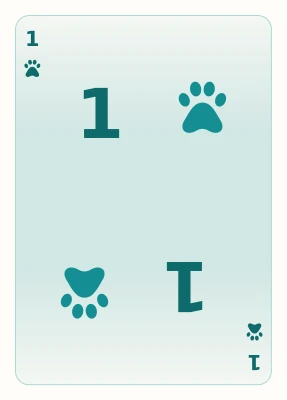
Meet Pipo! A curious little dog, five colourful rows and lots of time together. The first player to play all their cards wins.
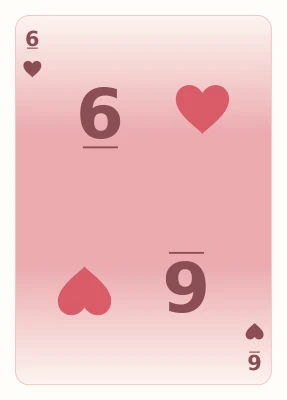
 Your little playtime friend
Five colours, five symbols. The light starting zone around 0 and the colour intensity help you find your way. The number and symbol determine the order.
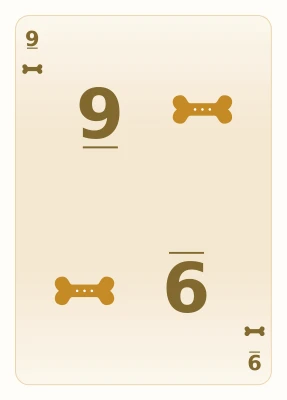
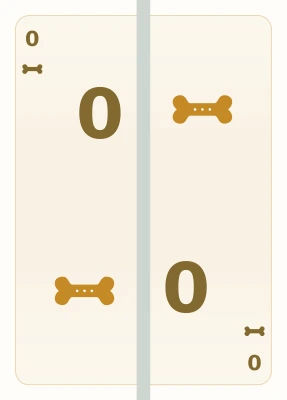
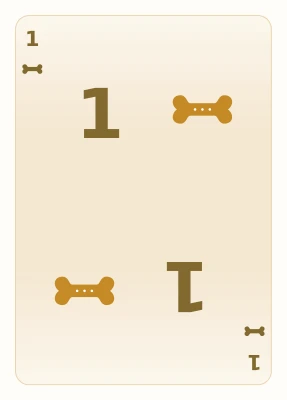
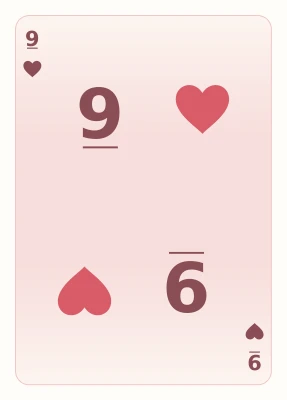
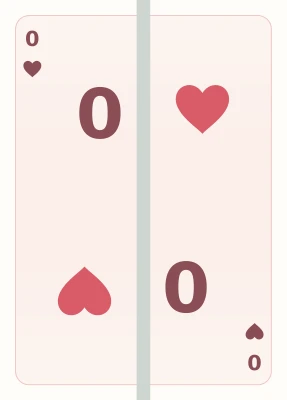
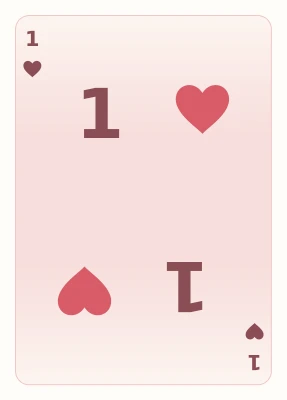
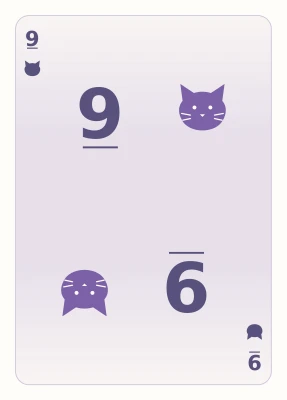
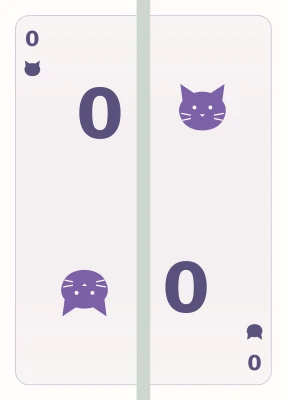
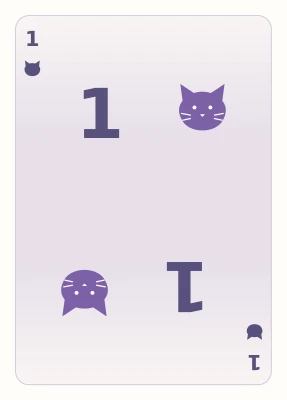
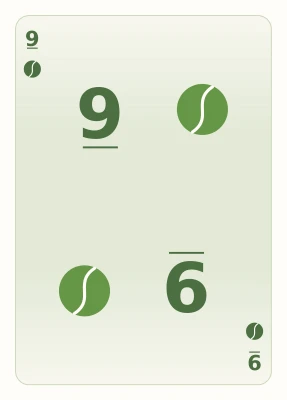
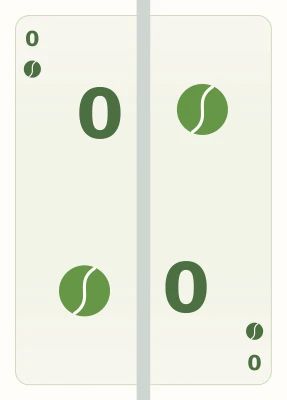
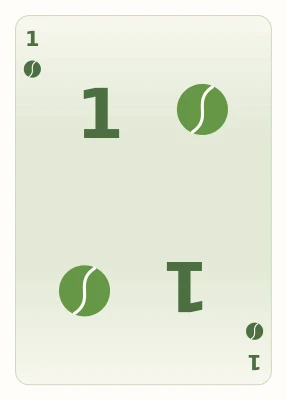
All playing cards share the same back featuring the five row symbols.

Pipo combines colours, numbers and little decisions with the joy of playing together.
Playful, joyful or mischievous: all three Pipo cards work as the same wild card.



The complete rules for the current playtest edition. Rules v0.3 · Design v0.7.
The first player to have no cards left in their hand wins.
You play with 50 number cards: 0 to 9 in five rows, plus 3 Pipo cards. Each row has its own symbol and colour.
Do not shuffle in the two information cards: quick rules and publisher details.
Shuffle the 53 playing cards. Deal 7 cards to each player. Place the remaining cards face down as the draw pile.
Leave room for five rows of ten cards each. The table starts empty. The player to the dealer’s left goes first, then play continues clockwise.
Choose exactly one of these actions:
1 · Play a card. Play a valid number card or a Pipo on an empty spot.
2 · Play a triple. Play exactly three cards of the same number in three different rows.
3 · Swap a Pipo. Play the exact number card and take Pipo into your hand.
4 · Draw a card. As long as the draw pile contains cards, you may also choose to draw voluntarily.
Drawing and swapping end your turn. Drawn cards and retrieved Pipos may only be played on a later turn.
A card may be played on its empty spot if at least one condition is met:
It is a 0. A 0 can always be played on its empty spot.
A neighbouring card in the same row is already in play. Heart-7 fits next to Heart-6 or Heart-8. A neighbouring Pipo counts too.
At least three cards of that number are already in play. The fourth and fifth cards of that number may then be played in their rows, even without neighbours.
Each spot can only be occupied once. If a Pipo is there, you can swap it for the exact number card.
Each row grows to the left and to the right. The zeros are aligned vertically.
A 5 fits to the right of a 4. A 4 fits to the left of a 5. 9, 0 and 1 are neighbours too.
Each number appears only once per row. Only neighbours in the same row count. Leave gaps for missing numbers.
A triple consists of exactly three cards from your hand with the same number in three different rows. All three spots must be empty.
No neighbours are needed. A triple can even start play on an empty table.
Place each six in its own row, following the number sequence and the cards already in play. Leave gaps for missing numbers.
A fourth or fifth card may only be added on a later turn. Pipos may replace cards in a triple.
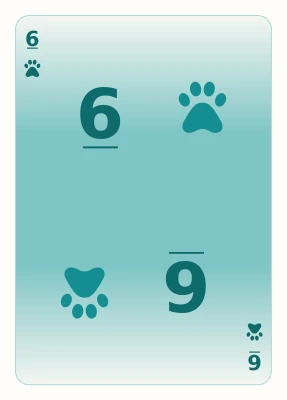
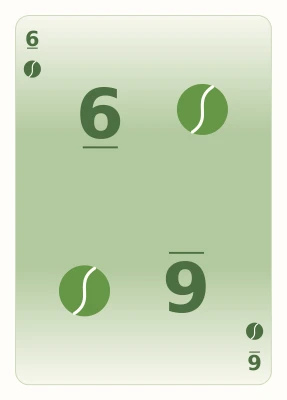
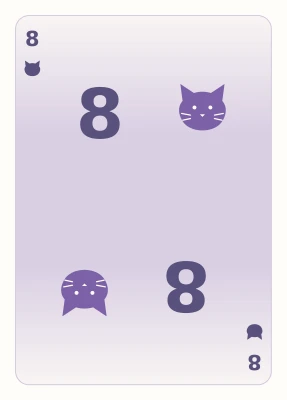
The three Pipo illustrations have the same function: Pipo replaces exactly one number card.
Announce the row and number, for example “Kitten-8”. Place Pipo on that exact spot.
The same rules apply as for the card represented: Pipo may start as a 0, join a neighbour or be added when at least three cards of that number are already in play.
Pipo may also be part of a triple. A triple may contain multiple Pipos.
All three cards must represent the same number in three different rows on empty spots.
Example: Heart-6 plus two Pipos announced as Paw-6 and Ball-6 form a triple.
On the table, Pipo counts exactly as the card announced: as a neighbour and for the rule requiring at least three cards of the same number already in play.
Its spot and meaning remain fixed. You may not move it or change what it represents. It stays until it is swapped.
Only the exact matching number card can replace Pipo. Put it down and take Pipo into your hand.
Example: if Pipo represents Kitten-8, you need the Kitten-8 card.
The swap is your entire turn. You may only play the retrieved Pipo on a later turn.
Your hand stays the same size; swapping alone cannot end the game. Another Pipo cannot replace it.
The draw pile is empty. If you can play or swap, choose one of those actions. Otherwise, pass your turn.
All 50 number spots are occupied. You may place one Pipo from your hand face up beside the draw pile per turn. Pipo goes “into the basket”. No additional card is required.
Number cards may still replace Pipos on their exact spots.
Pipos in the basket stay there until the end of the round.
As soon as you play your last card using an allowed action, the round ends.
A triple or a Pipo may be your final move. For Pipo, the normal playing rules or the basket rule apply.
Two reminders: 0 comes between 9 and 1. The sequence also continues between 4 and 5.
Pipo is currently being playtested. Launch date, price, recommended age and playing time will be announced after testing.
Get in touch →
53 playing cards and 2 separate information cards (55 printed cards).
The recommended age and playing time will be determined after playtesting.
Not yet. The game is being playtested.